
Machine data is difficult to use.
Machine readings need to be collected, processed and monitored before engineering teams can use them for analysis.
Domain depth / Semiconductor
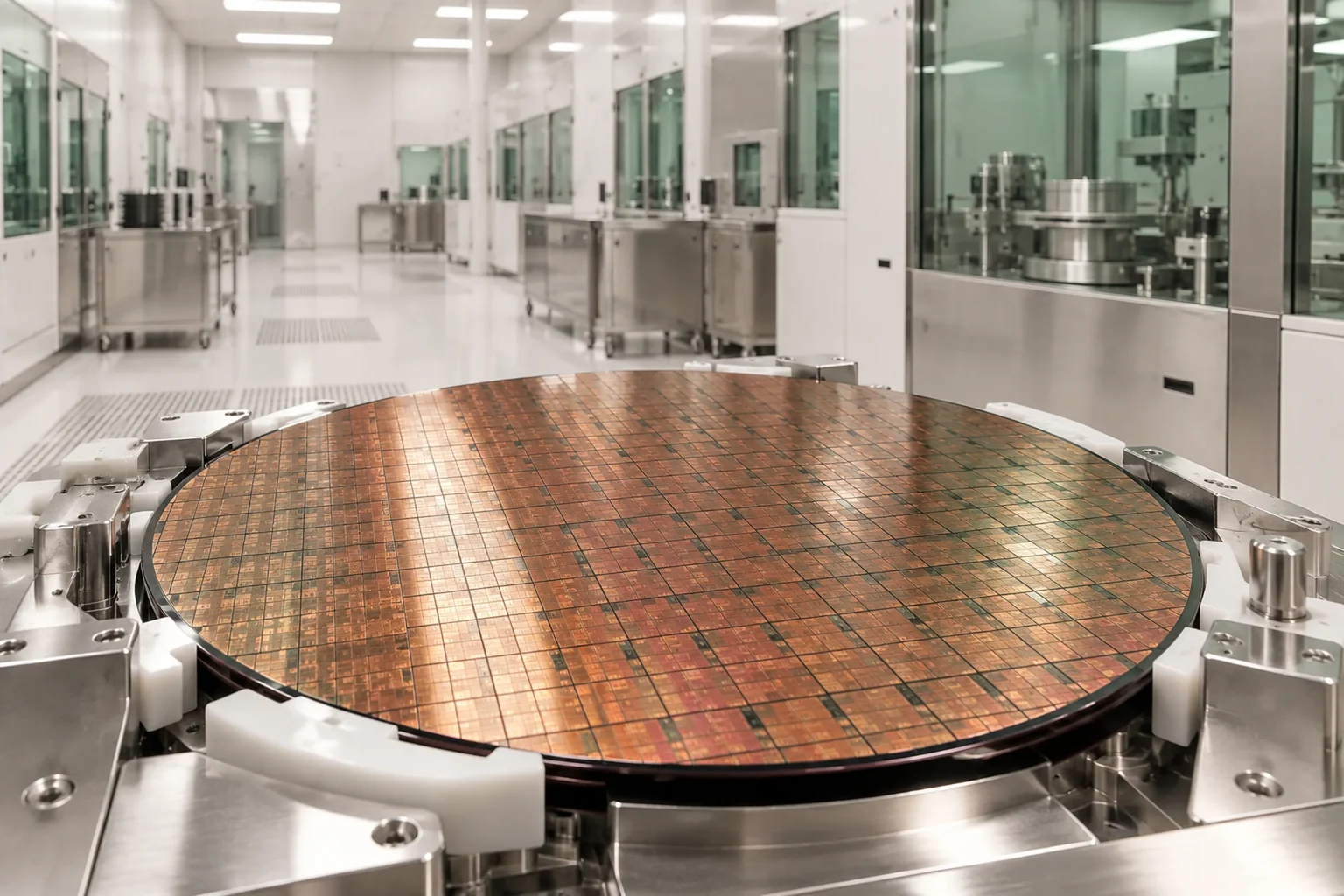
UTIS provides data engineering for semiconductor manufacturing, including machine telemetry, Azure Databricks pipelines, factory analytics, enterprise reporting and scientific AI. We have been a preferred engineering vendor to a global semiconductor company since 2019. Our engineers work on the systems that turn operational data into usable information, with validation and support requirements defined for each engagement.
Semiconductor data
From machine signals to usable data.
Signals, logs and source systems
Processing with validation
Tables, reporting and analysis
Your priorities
These are common reasons to bring UTIS into the work.
Machine readings need to be collected, processed and monitored before engineering teams can use them for analysis.
Reporting, legacy tools and source-system restrictions can affect the timing and scope of a technology change.
Growing data volumes require attention to both the quality of the results and the resources used to produce them.
Our contribution
Support existing streaming platforms, connect additional sensors and consolidate monitoring so teams can inspect current machine data.
Databricks deployment standardization, incremental loading, cost optimization and new pipeline delivery.
Build browser-based analysis, statistical alerting and reporting that can continue when changes to a source system are restricted.
Interpret legacy engineering documents, demonstrate machine-learning delivery frameworks and test scientific simulations on an existing GPU platform.
Project experience
Each result describes a specific engagement and retains its original source and scope.
Preferred vendor since 2019
Engineering delivery for a global semiconductor company.
Documented client relationship
Existing streaming components in one health view
UTIS operates and extends the existing stream, rebuilt component health monitoring and supports machine onboarding and self-service access.
Documented platform operation and monitoring. The case also reports existing-platform latency as context, not a UTIS-created speed improvement.
Read the caseLower average daily compute cost
Eleven machine-log pipelines, first days after migration compared with a five-month baseline.
How we measured it: platform-reported daily compute cost, averaged over the baseline period and the initial post-migration window; the same datasets continued to reach users throughout.
Read the caseFaster scientific simulation
A scientific simulation reproduced the reference physics on H100 GPUs and ran ~10× faster than the standard environment.
validated proof of concept
Read the caseWorking together
Start with the machine-data flow, report or analysis job you want to improve, its users and an example of the current output. Identify access and change restrictions.
Select a bounded pipeline change, monitoring improvement or validation exercise. Define UTIS’s ownership, client dependencies and the evidence needed for acceptance.
Agree reference outputs, the processing window and validation checks before work begins. Review the result with the engineers who use the data, keeping benchmarks distinct from production adoption.
Name the operating owner and agree documentation, alerting, support coverage and cutover criteria. Any ongoing service commitment belongs in the engagement scope.
Explore the expertise
Go deeper into the work, explore an example or review how to engage UTIS.
Review pipeline work, validation methods and the scope behind reported results.
Explore platform engineering, deployment and operational responsibilities.
Discuss confidentiality, access, relevant references and engagement requirements.
Before we start
What to expect when you work with UTIS.
We review security, access, staffing and supplier onboarding requirements with you before agreeing an engagement. The scope and working arrangements depend on the work and the requirements your team needs us to meet.
No. Each case states its stage. Factory alerting includes one measured incident alongside projected benefits; the scientific AI speedup is a validated proof of concept. Those qualifications stay with the results.
Yes. Our anchor clients contract with UTIS directly. We can work under your master services agreement or ours. Client references require permission and appropriate confidentiality arrangements.
Meet with UTIS
Choose a preferred time for a 30-minute conversation about your project or hiring needs.
Choose a preferred time
Book a meetingUTIS will review your preferred time and confirm the meeting by email.